Guide
Water problems in older mill houses
Textile mills shaped Gaston County. NCpedia traces the county's textile industry to three cotton mills built in the 1840s, and many mill villages still hold small houses built for workers. Age changes how water behaves in them.
Tap the number to call. The line connects you with an independent restoration contractor, not with this website.
A real example: Cramerton
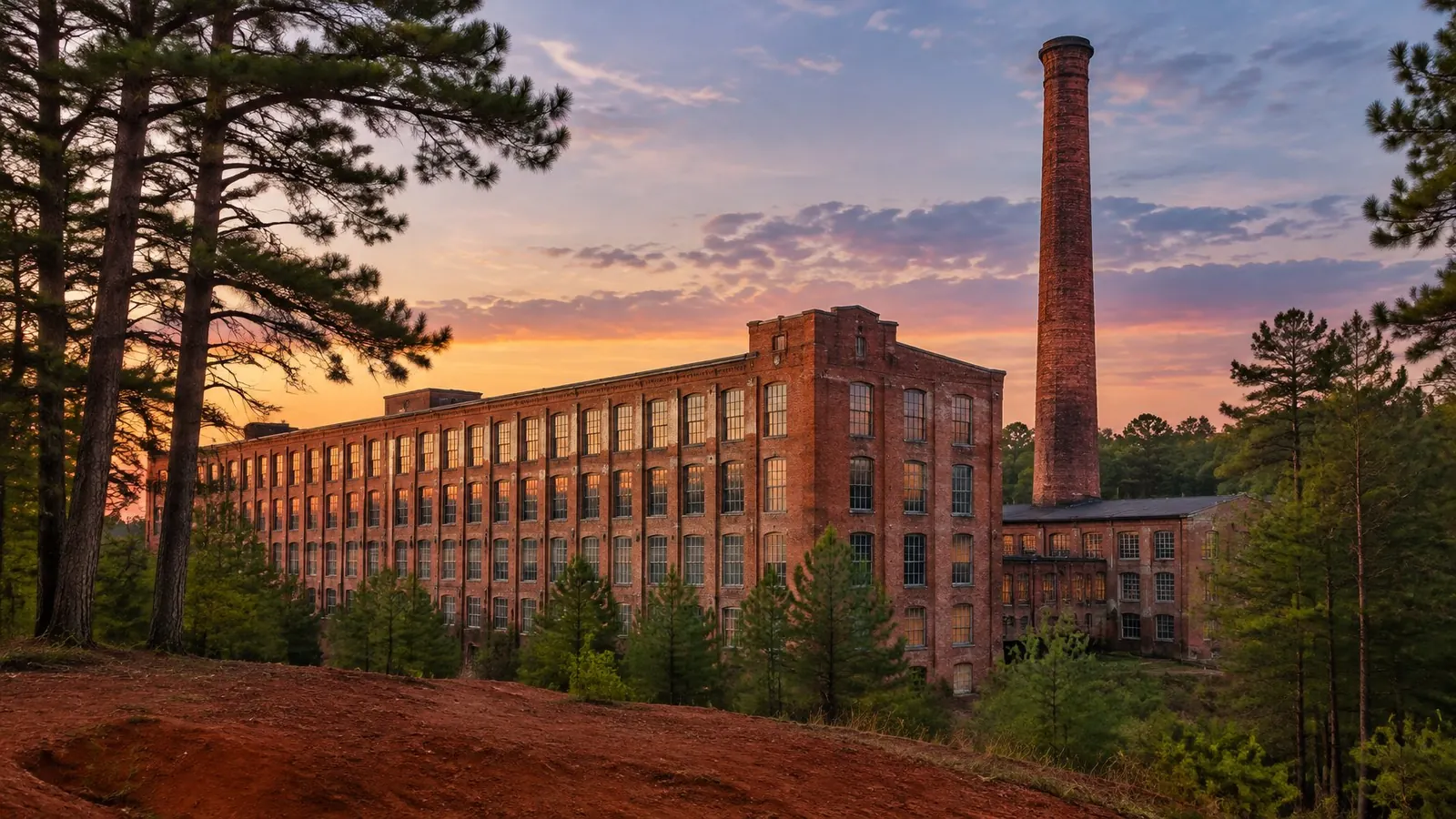
NC State's textile history pages say a village called Maysworth was built for the workers of a mill that began in 1906, and that in 1922 it became Cramerton, a model mill village with paved streets, concrete sidewalks and homes with indoor plumbing. The mill complex was sold to Burlington Mills in 1946. See the Cramerton page.
What age adds to a water problem
- Supply lines that have been in the walls for decades. Ask a plumber what material they are.
- Plaster and lath, where present, which soak and dry differently from drywall.
- A raised floor over a crawl space, which can hide a leak for weeks.
- A sewer lateral with no cleanout at the property line. Belmont's published policy says older neighborhoods there were sewered without them, and the missing cleanout matters for who clears a blockage.
Not every older house has all of these. A contractor can tell you which apply after looking.
Questions worth asking about an older house
Ask whether the contractor has handled plaster or lath before, and whether the floor structure was checked with a moisture meter from below.
Sewer service lines in older neighborhoods are explained in who owns which pipe. Belmont's published sewer policy says laterals in older neighborhoods were installed without cleanouts.
Water is still spreading while you read
Call the number and describe what happened. The line routes your call to an independent restoration contractor who serves your ZIP code. Early calls leave more of the home dry.